


Hands-On: Motorola RAZR HD, MAXX HD, RAZR M
Sep 5, 2012, 2:29 PM by Eric M. Zeman
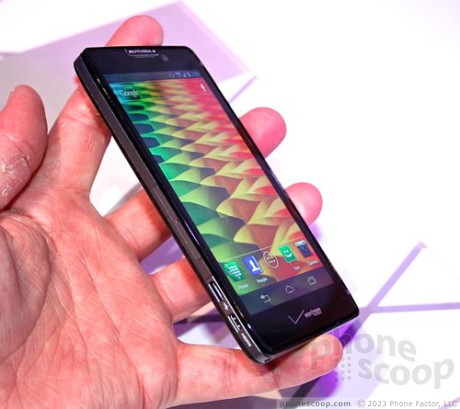
Motorola introduced three new Android smartphones today, all of which push the edge in terms of design and features. Phone Scoop takes a look.
RAZR HD / MAXX HD
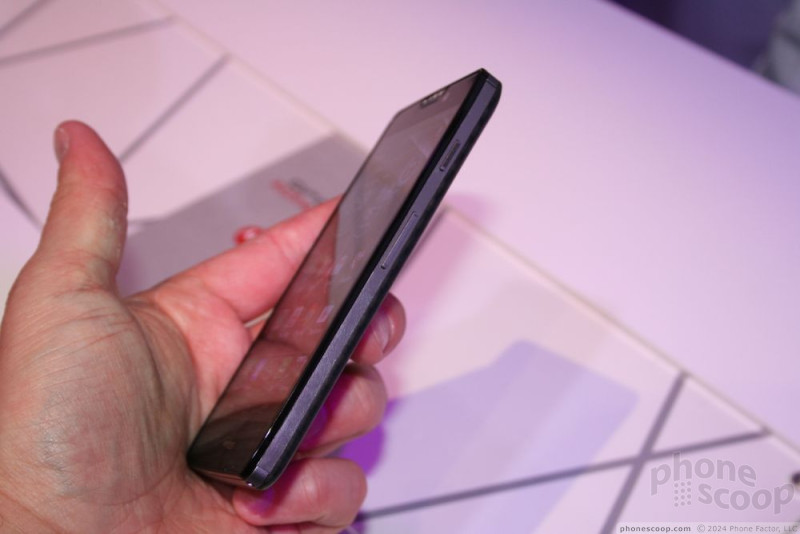
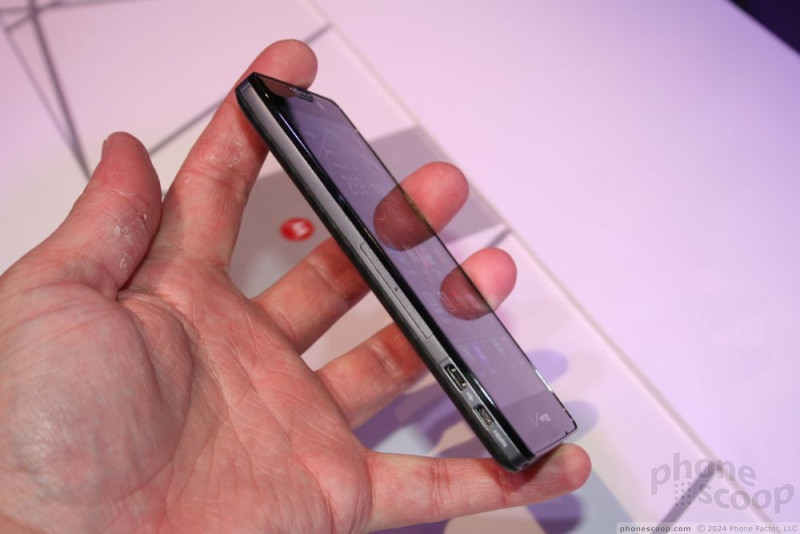
The Motorola RAZR HD and MAXX HD are all about making improvements to the 2011 RAZR and RAZR MAXX. They are essentially the same phone, with only 0.9mm in thickness separating them physically. In fact, the difference is so slight, you can't notice with the naked eye. The RAZR HD is 8.4mm thick, and the MAXX HD is 9.3mm thick. What's in that 0.9mm? A slightly larger battery for longer device life.
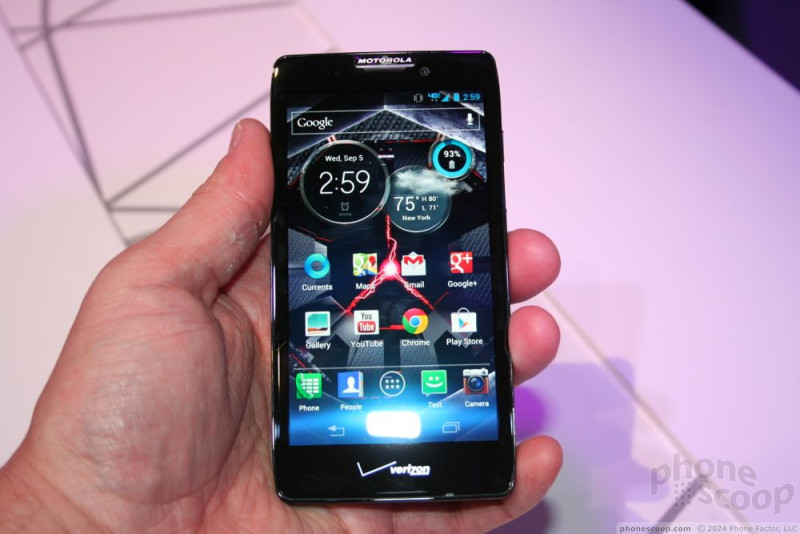
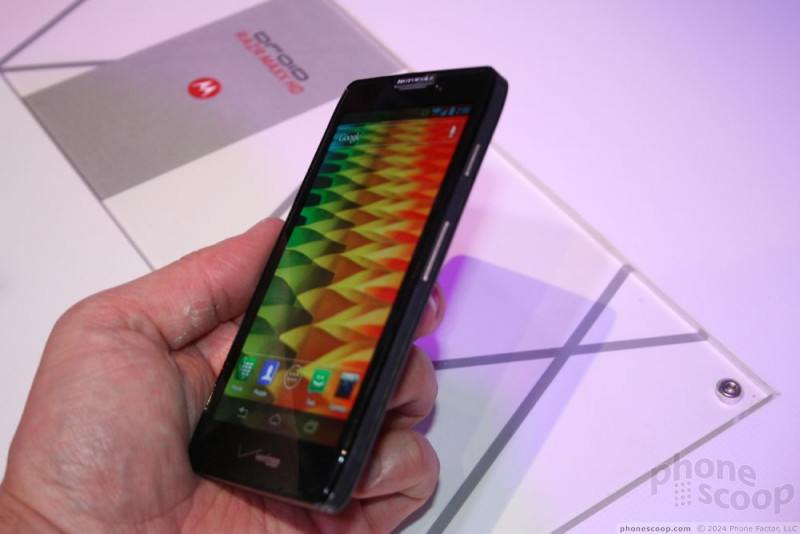
Both devices are impressive, and are instantly superior to their predecessors. The screen has been pushed from 4.3 inches and qHD resolution to 4.7 inches and 720p resolution. The difference is night-and-day. One thing I disliked about the original RAZR as the large bezel around the display. The RAZR HD eliminates that bezel without making the footprint of the device any larger. The screen looks really good. It is bright, colorful, and, heh, razor sharp.
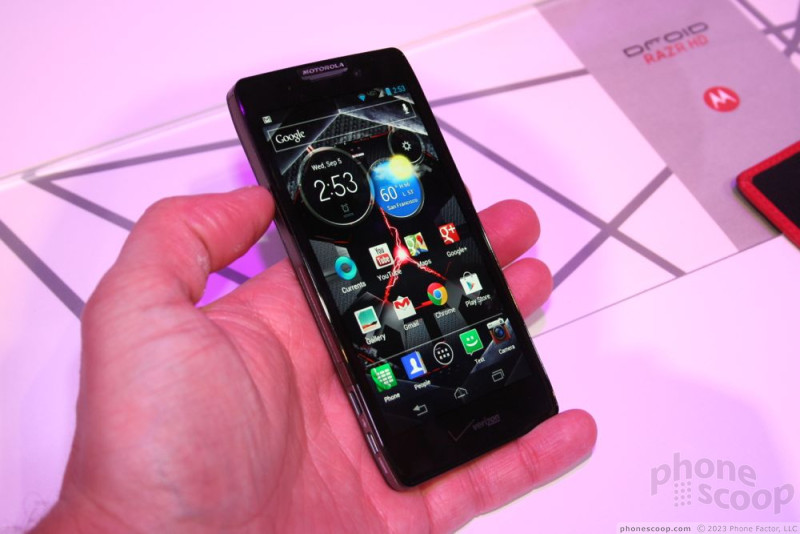
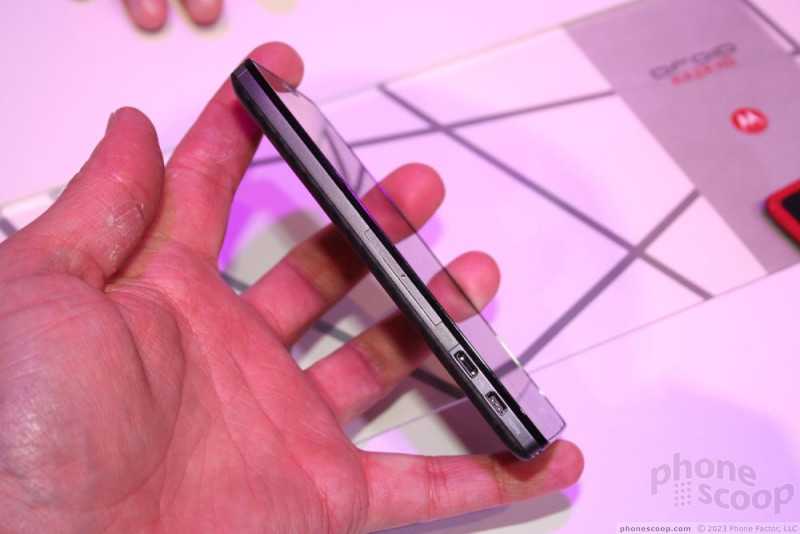
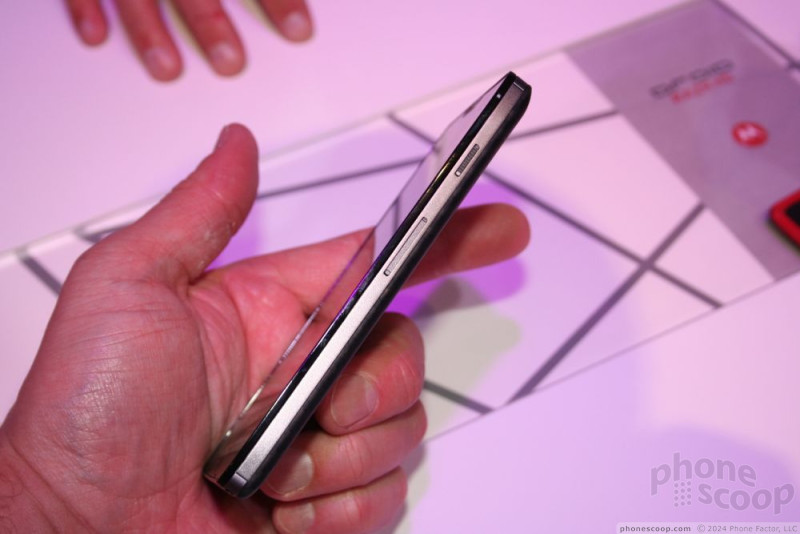
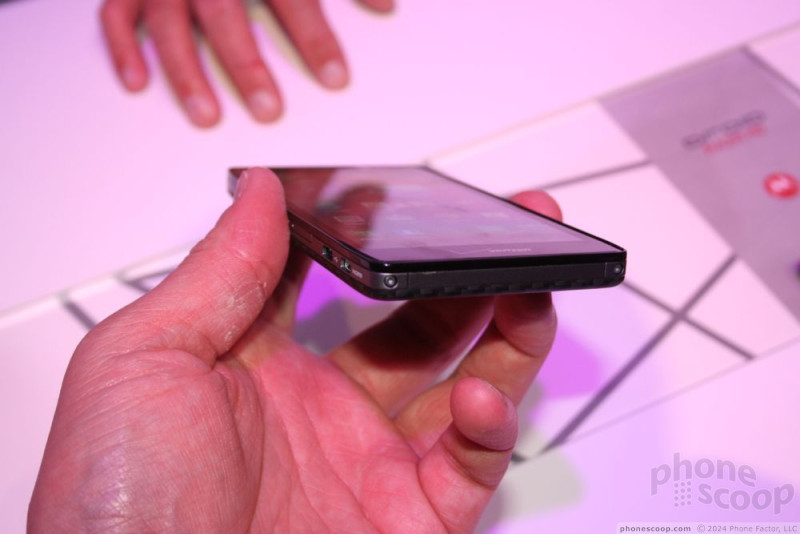
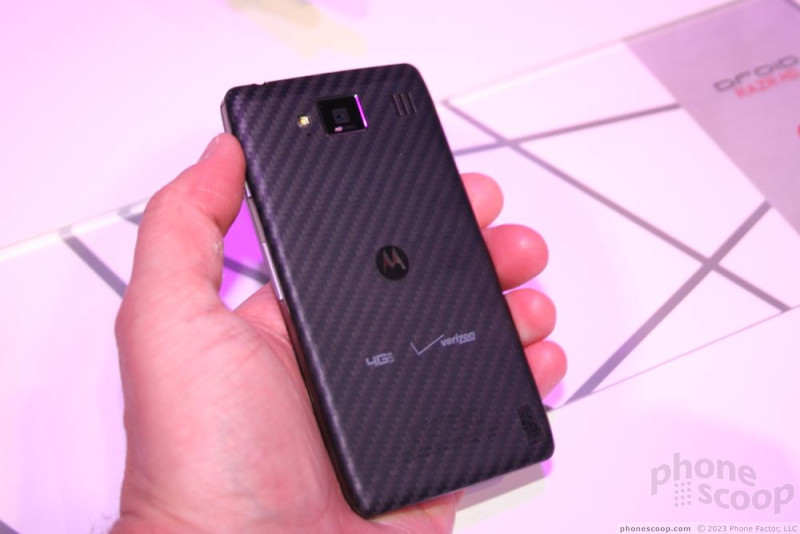
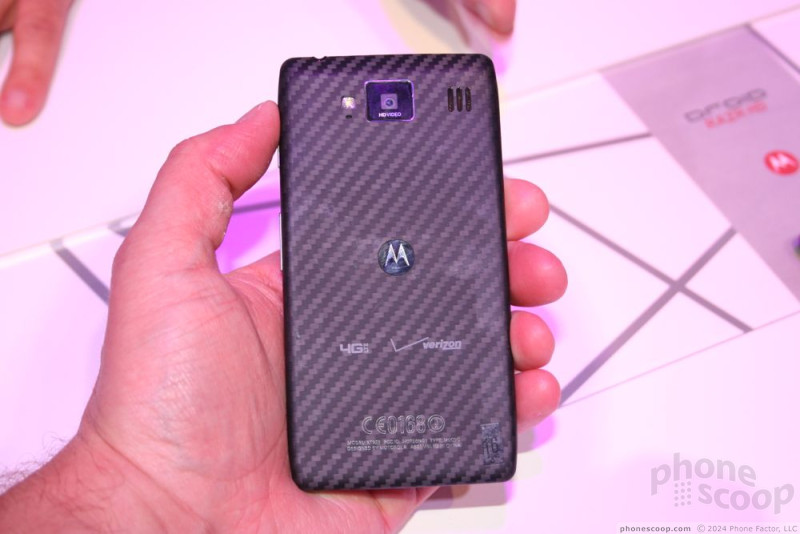
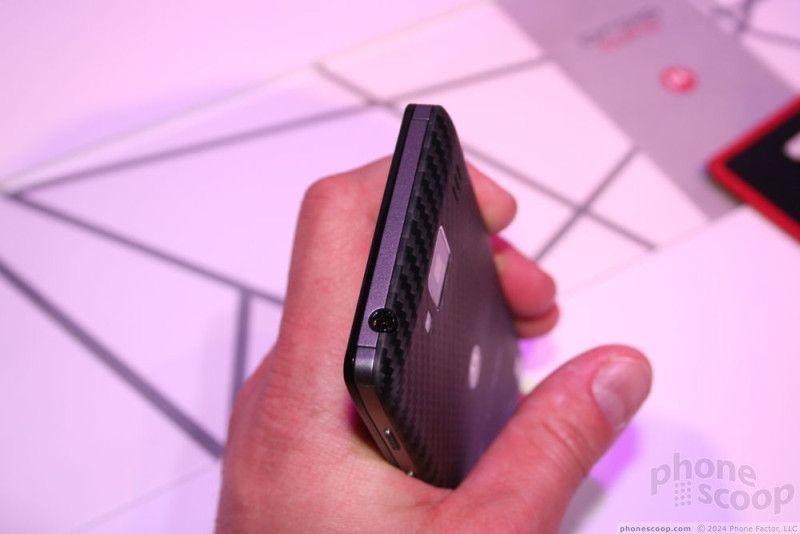
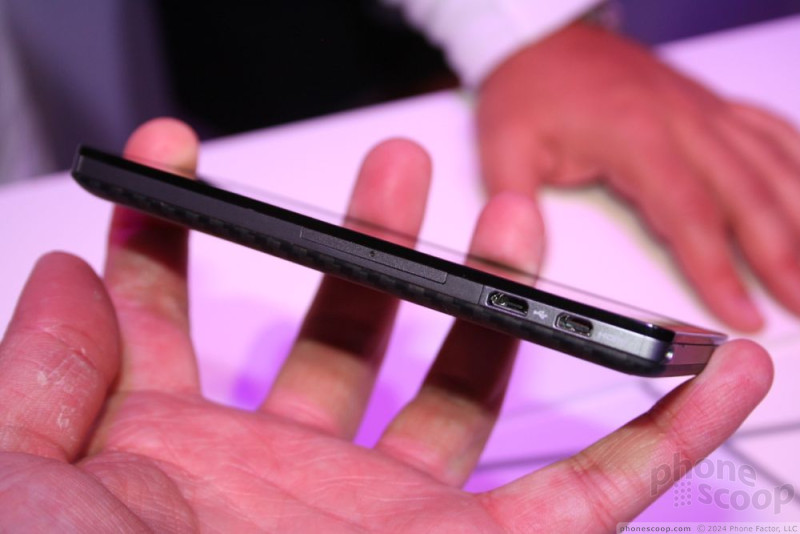
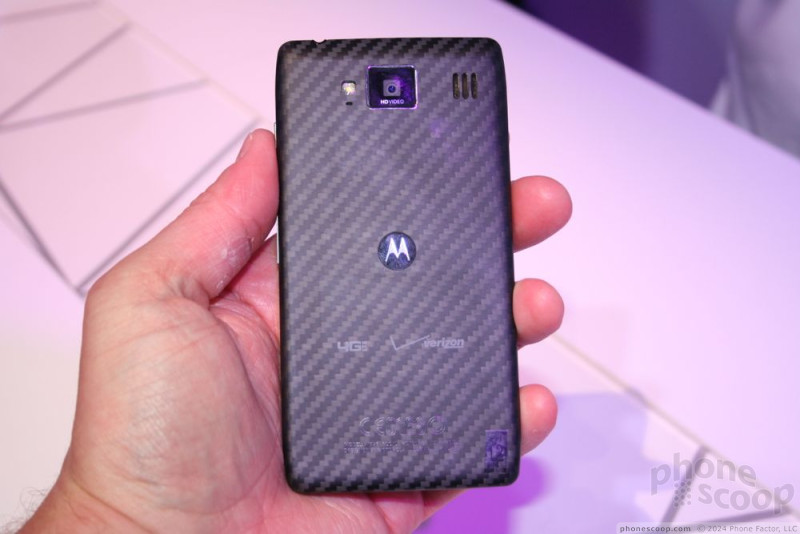
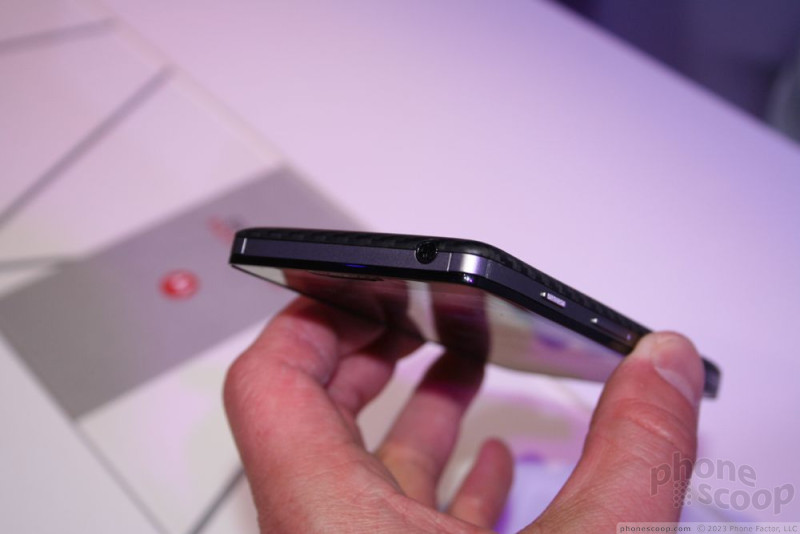
The design language isn't exactly like last year's phones. It has been updated with more metal and more Kevlar. The result is a stronger, more solid phone that feels great to hold and use. The side edges, for example, are made of a metal band (similar to iPhone 4/4S). The buttons located in that band, such as the volume toggle and screen lock key, have an excellent feel. They are easy to find and have very satisfying travel and feedback. I'd call both phones a bit weighty, but the MAXX HD is noticeably heavier in the hand.
The user interface is the exact same that we've seen on other recent Motorola devices, such as the Photon Q or the Atrix HD. It runs Android 4.0 Ice Cream Sandwich at launch, but will be updated quickly to Android 4.1 Jelly Bean. The user interface I saw was smooth and quick, with no stuttering or janky-ness when transitioning from screen to screen or app to app.
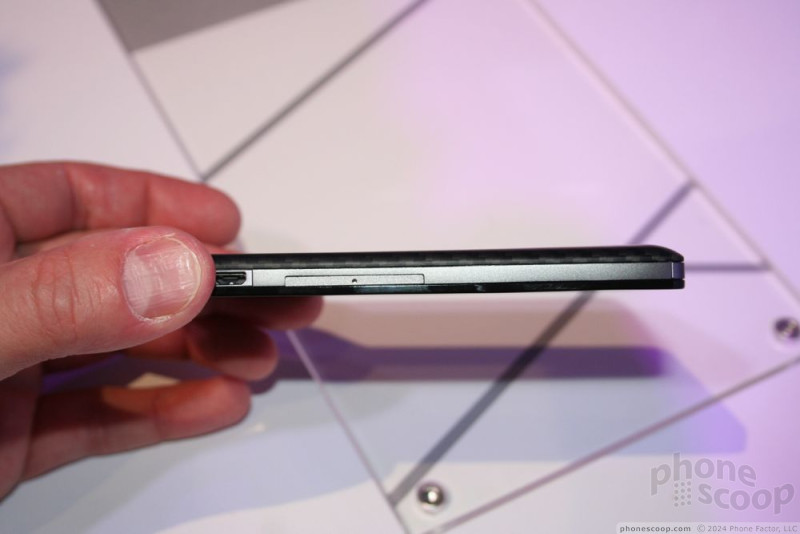
Both phones support Verizon's LTE network, run on dual-core 1.5GHz Snapdragon S4 processors, include support for microSD cards, and offer the latest apps from Motorola and Verizon. The RAZR HD has 32GB of interna storage, and the MAXX HD has 16GB of internal storage. Because they run on the LTE network, they use microSIM cards. The microSIM card and microSD card are both accessed via the same tray, which can only be removed with the help of a paperclip or other tool.
In all, I like that hardware. They both have an excellent feel to them, and if the battery life is as good as Motorola brags that it is, these phones will be worthy successors to last year's models.
RAZR M
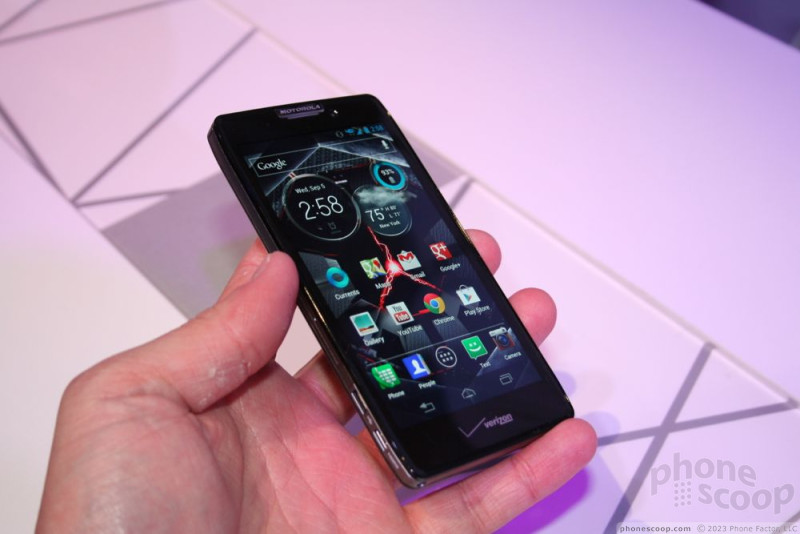
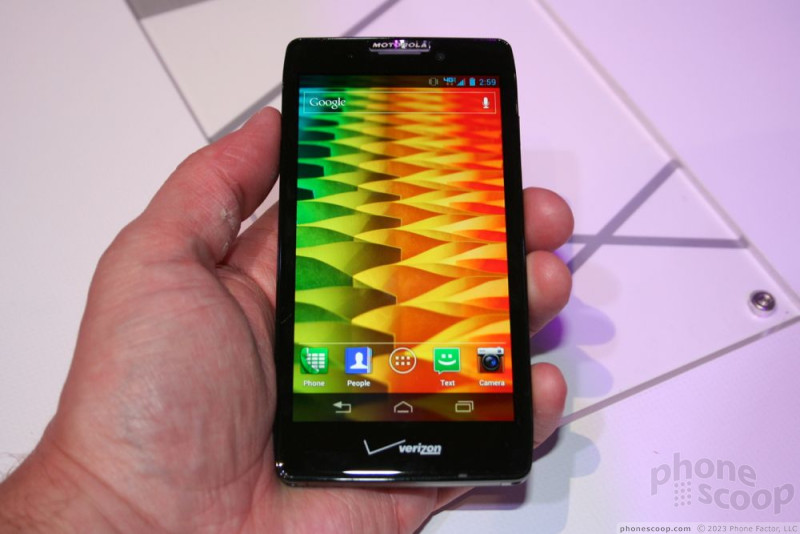
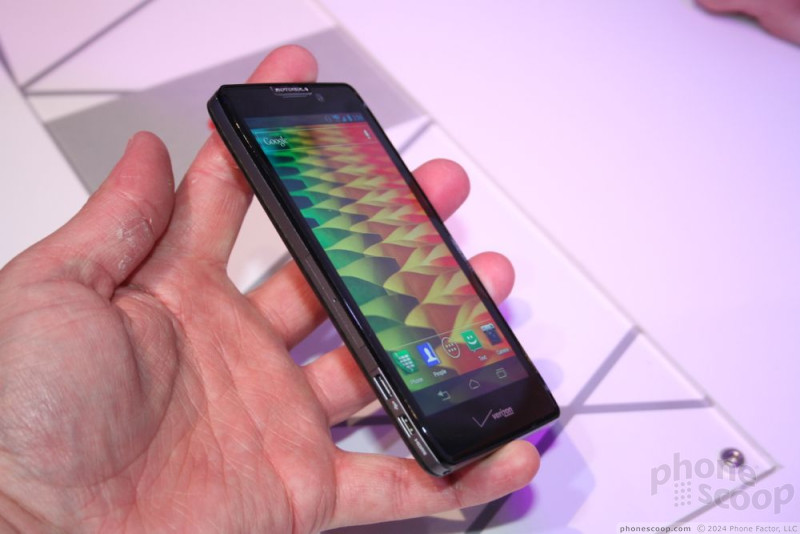
The RAZR M is a neat little phone. And when I say little, I mean little. It has a 4.3-inch display, which might suggest that it's big. However, it uses edge-to-edge screen technology that pushes the display to the outer rim of the device. The result is an incredibly small device that still offers a big-screen experience.
In basic appearance, it follows the family geneaology. It's obviously from Motorola's design labs, though it loses the high-quality metals of the RAZR HD and MAXX HD and substitutes plastics instead. The demo units they had on hand were white, and I found the white contrasts well with the dark Kevlar backing on the device.

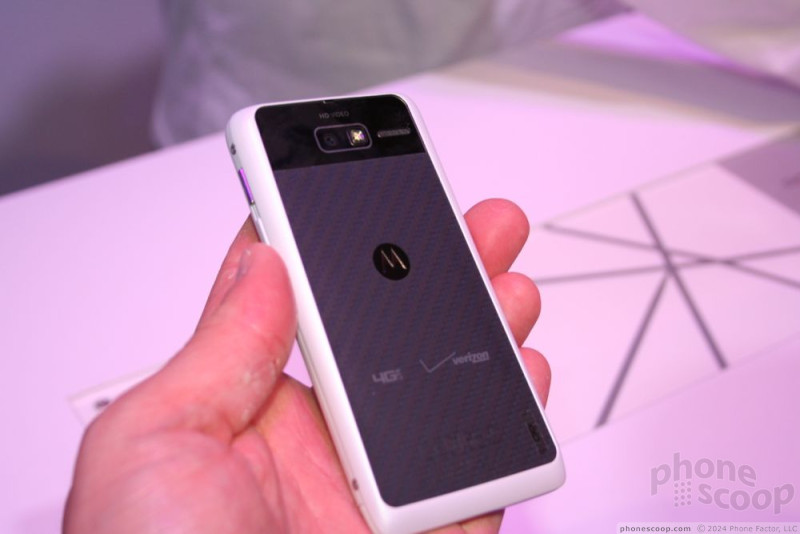
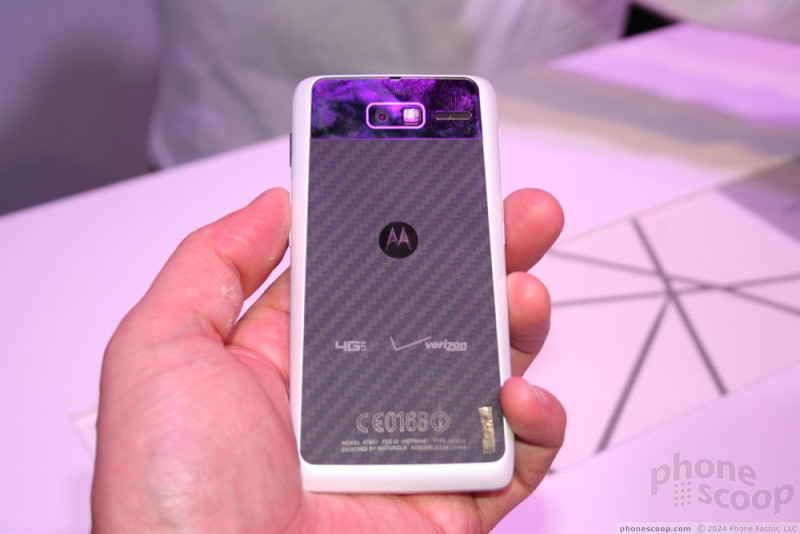
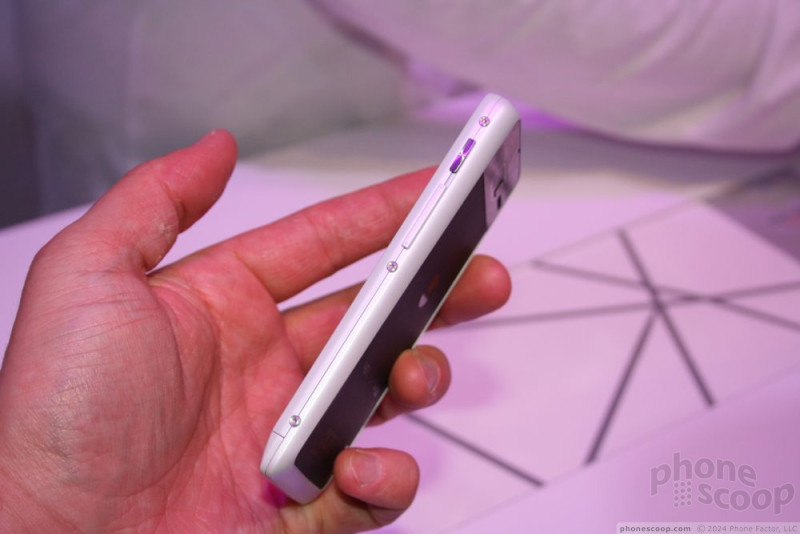
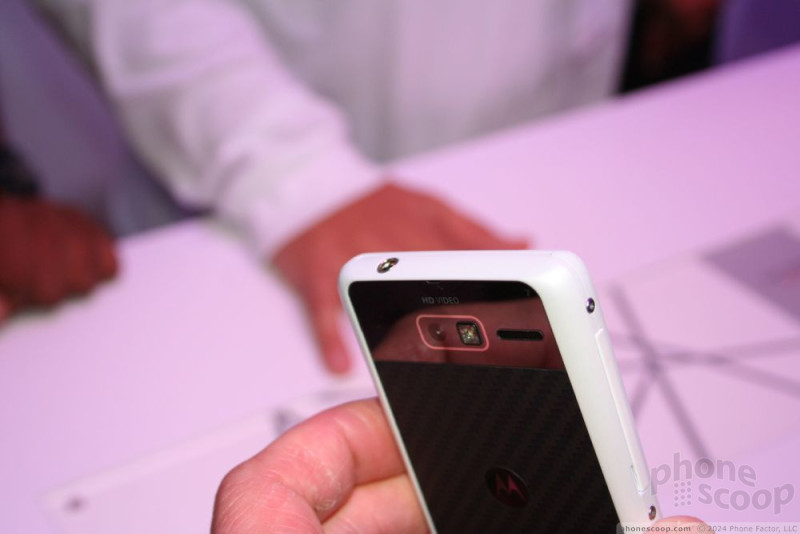
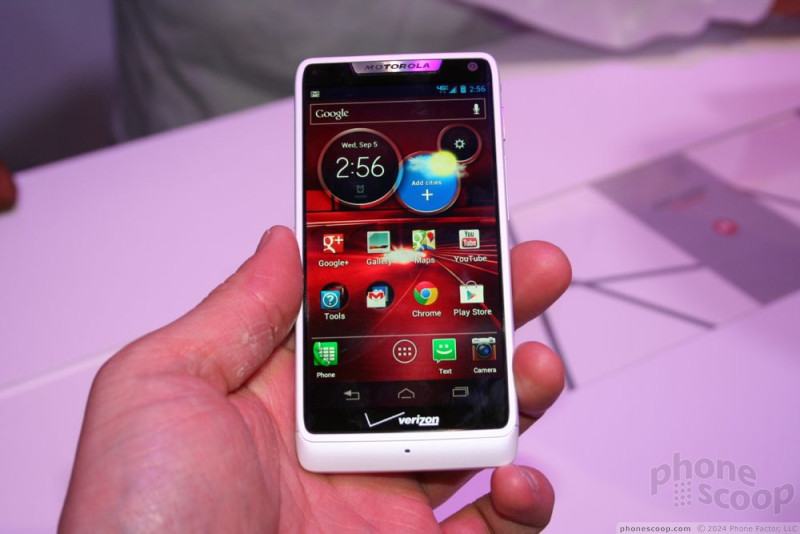
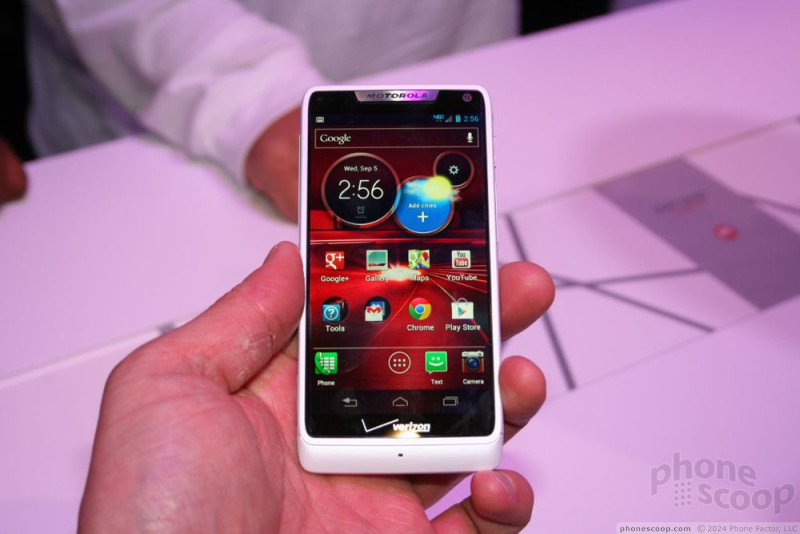
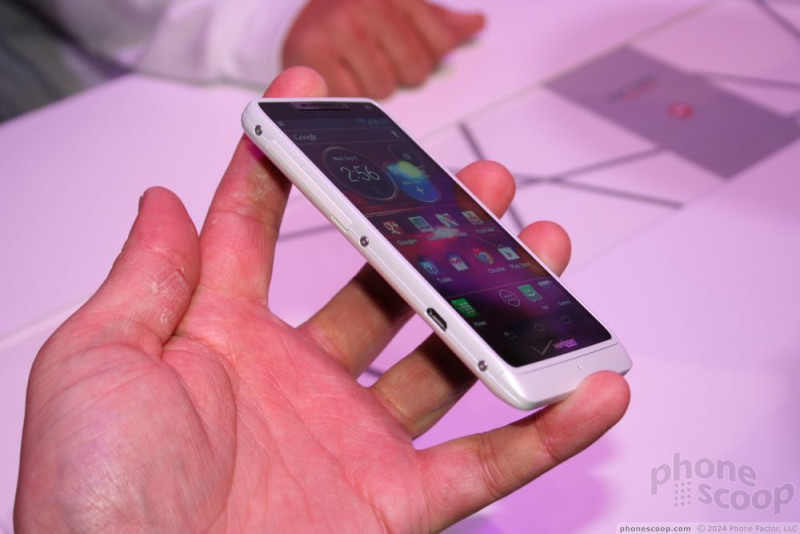
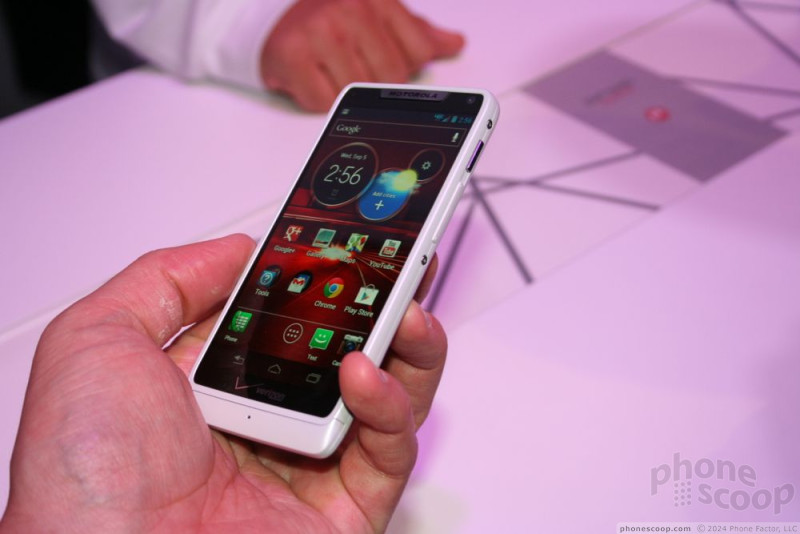
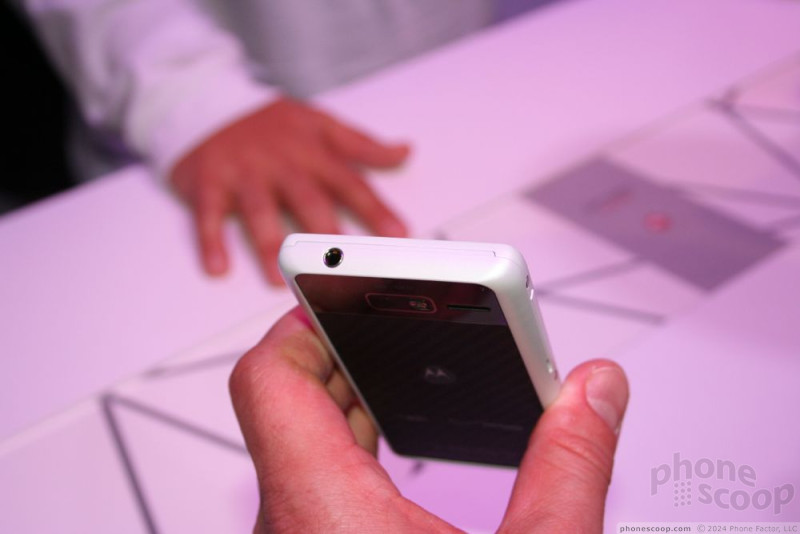
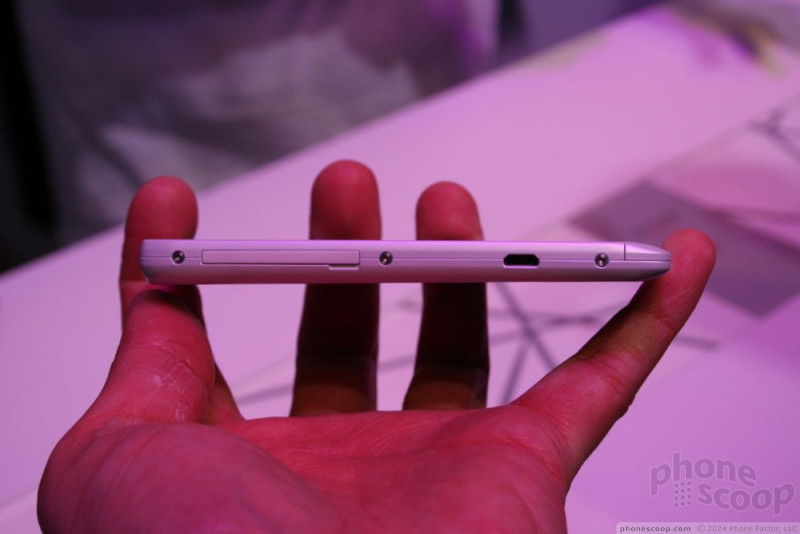
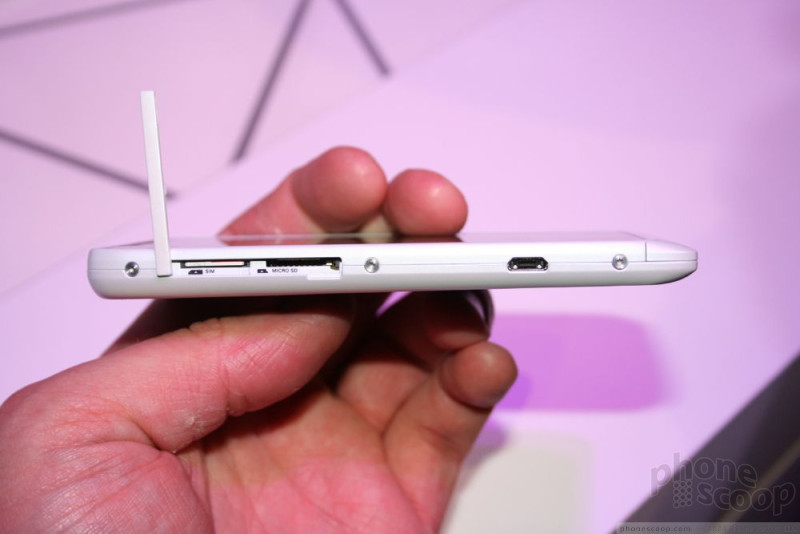
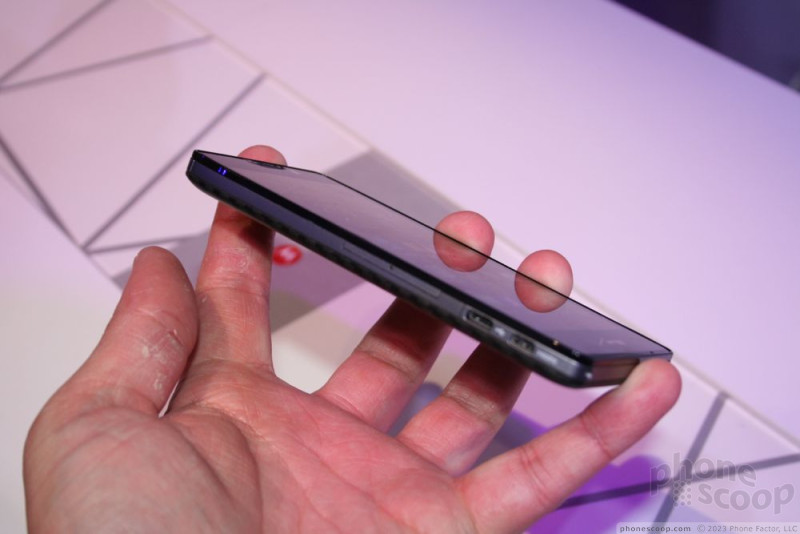
The small footprint is great, but so is the weight. The RAZR M hardly has any weight to it at all. It is slim, light, and will certainly slip into any pocket with ease.
The 4.3-inch display has 540 x 960 pixels, or qHD resolution. The pixel density is excellent. The demo units almost looked like they had fake stickers on them, so clean and clear were the images, text, and icons in the display. It is very bright, and I was able to read even the finest web site text with ease.
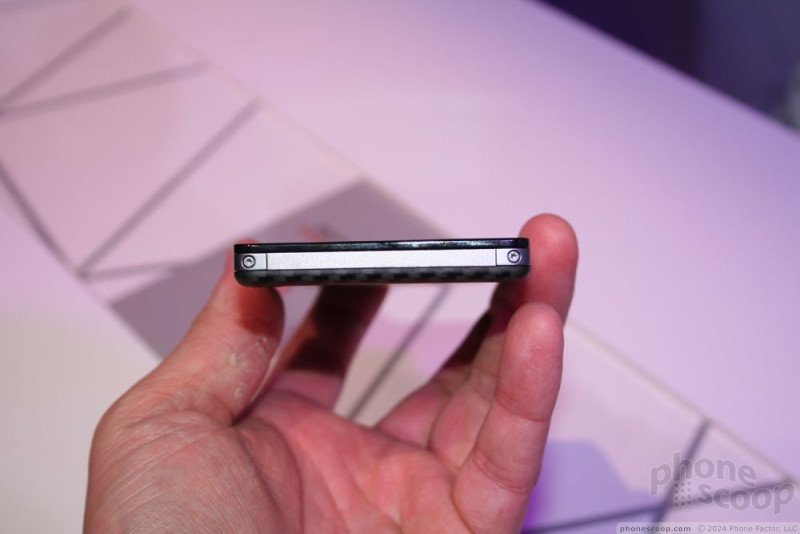
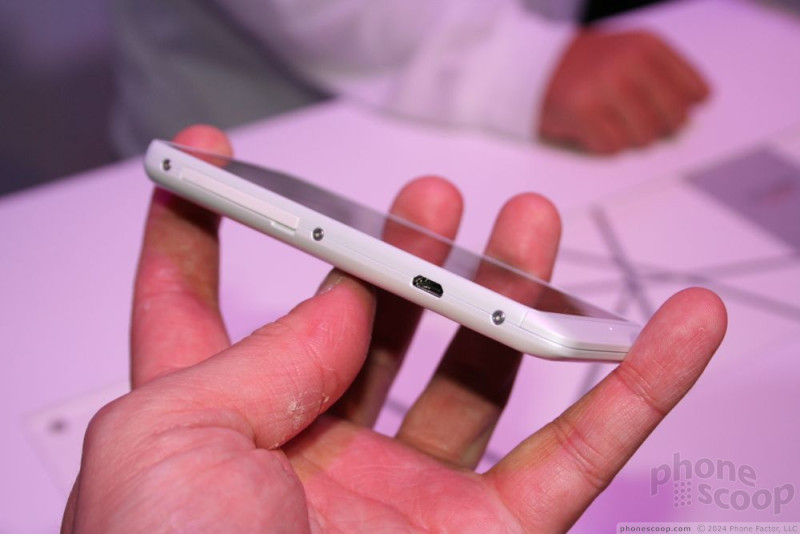
The controls on the outer edge of the phone are comfortable and bunched together on the right side. As with the RAZR HD and MAXX HD, the SIM card and microSD card are accessed on the left side. There's no trick tray, though, just a hatch that peels back so both cards can be accessed.
The RAZR M's best feature will surely be the price. Sure, it has an 8MP camera, NFC, Kevlar, 1080p HD video capture, and Gorilla Glass; but it also costs only $99.
That alone makes the RAZR M the best phone-for-the-money in Verizon's lineup.
 About the author, Eric M. Zeman:
Eric has been covering the mobile telecommunications industry for 17 years at various print and online publications. He studied at Rutgers Newark and University of Kentucky, and has a degree in writing. He likes playing guitar, attending concerts, listening to music, and driving sports cars.
 Review: Motorola Droid RAZR HD / MAXX HD for Verizon Wireless
 RAZR i First for Motorola-Intel Partnership
 Review: Motorola Droid RAZR M for Verizon Wireless
 Motorola Electrify M Causes Sparks with U.S. Cellular
 Droid RAZR HD and MAXX HD Go On Sale October 18
 Motorola Droid RAZR M / Luge
 Motorola Droid RAZR HD
 Motorola Droid RAZR MAXX HD


Comments

Kevalr is a gimmick
It isn't a gimmick at all.
And the added strength is to offset the thinness of the phone. For those folks that like to put a phone in their back pocket and sit on it.

A valid question...
My experience with the motorola camera feature on previous phones (unrooted) is not too good.

RAZR M
Way to go Motorola & Sky net...I mean Google. 👀

Verizon Logo
Phones need some space below the display, or they'd be...
(continues)